3D scanning and precise digital recording of cultural heritage
Cultural heritage can continuously change due to the passage of time, the natural environment, structural alterations, and various external factors. 3D laser scanning is a technology that precisely records the current shapes of cultural properties and historical buildings in a non-contact manner, establishing objective 3D digital data that can be utilized for preservation, restoration, and future condition comparison.
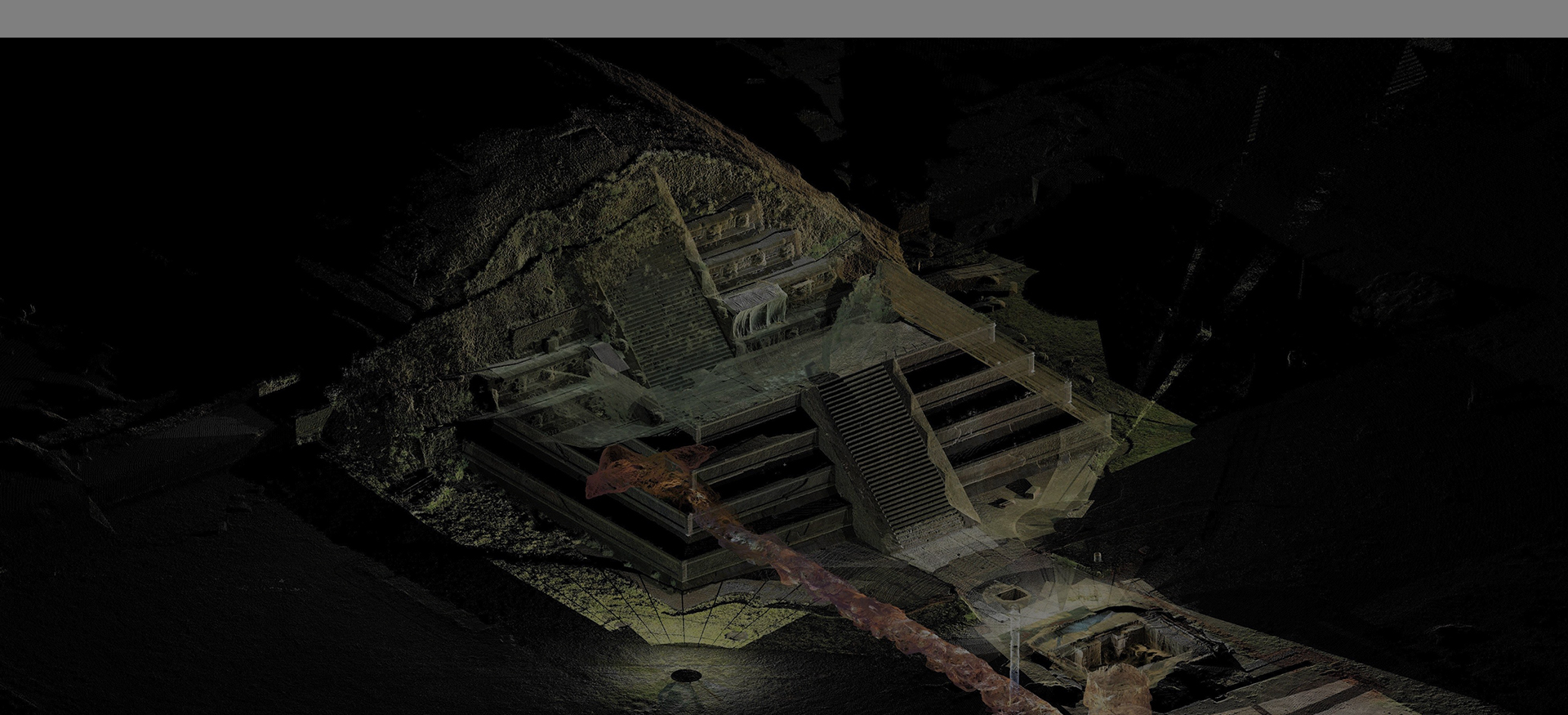
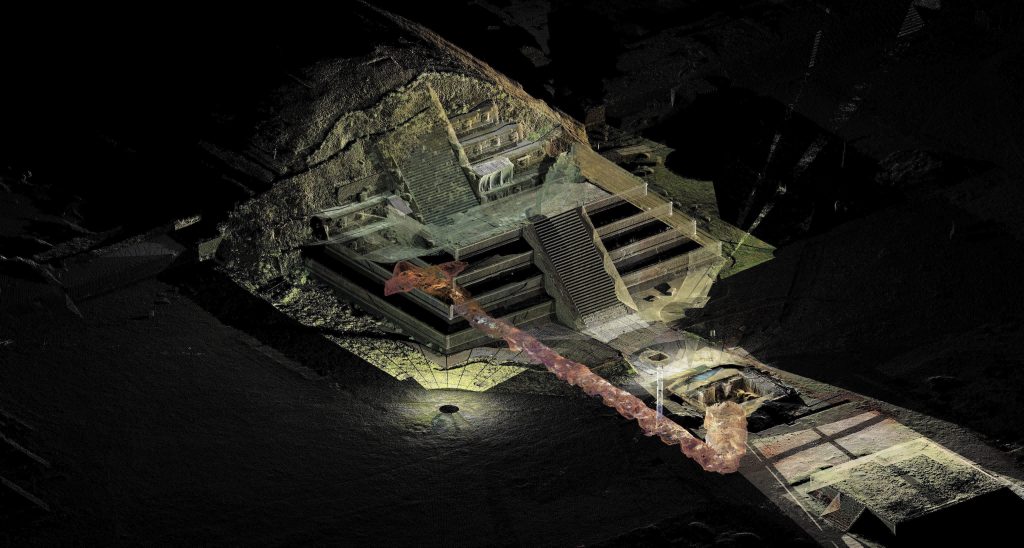
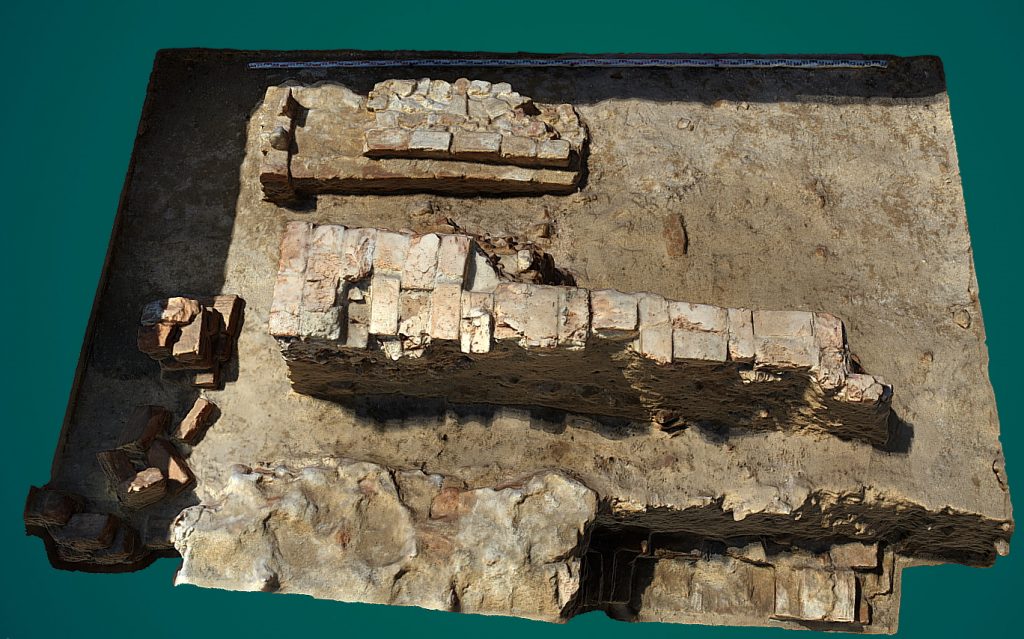
JANGSUNG HDS performs precision 3D scanning targeting architectural cultural heritage, stone cultural heritage, murals, remains, and various cultural assets. Depending on the scale, shape, material, site environment, and investigation purpose of the target, appropriate scanning methods are applied, and the acquired data is registered and processed to build high-density point clouds and precision 3D shape data.
The constructed 3D data can be used not only for digital archiving of cultural heritage, but also as basic data for cross-sectional and dimensional analysis, shape comparison, review of cracks, displacements, and deformation states, and the establishment of conservation and restoration plans. By repeatedly measuring the same object across different time periods, it is also possible to quantitatively analyze minute shape changes and displacements by comparing past and current data.
In addition, the 3D scan data acquired on-site can be processed into various types of deliverables according to the survey purpose, such as point clouds, 2D drawings, 3D models, orthoimages, and digital spatial information. This makes it possible to examine and record the shape and location information of cultural heritage in a digital environment, even when repeated on-site access is difficult.
JANGSUNG HDS builds accurate and reliable digital records based on non-contact 3D scanning that does not damage the original form and on-site environment of cultural heritage. We aim to go beyond simple visual recording and provide precise 3D data that can be utilized for actual preservation and restoration, safety diagnosis, academic research, and long-term monitoring.